Virtual CFO vs. Traditional CFO: Which is Right for Your Business?
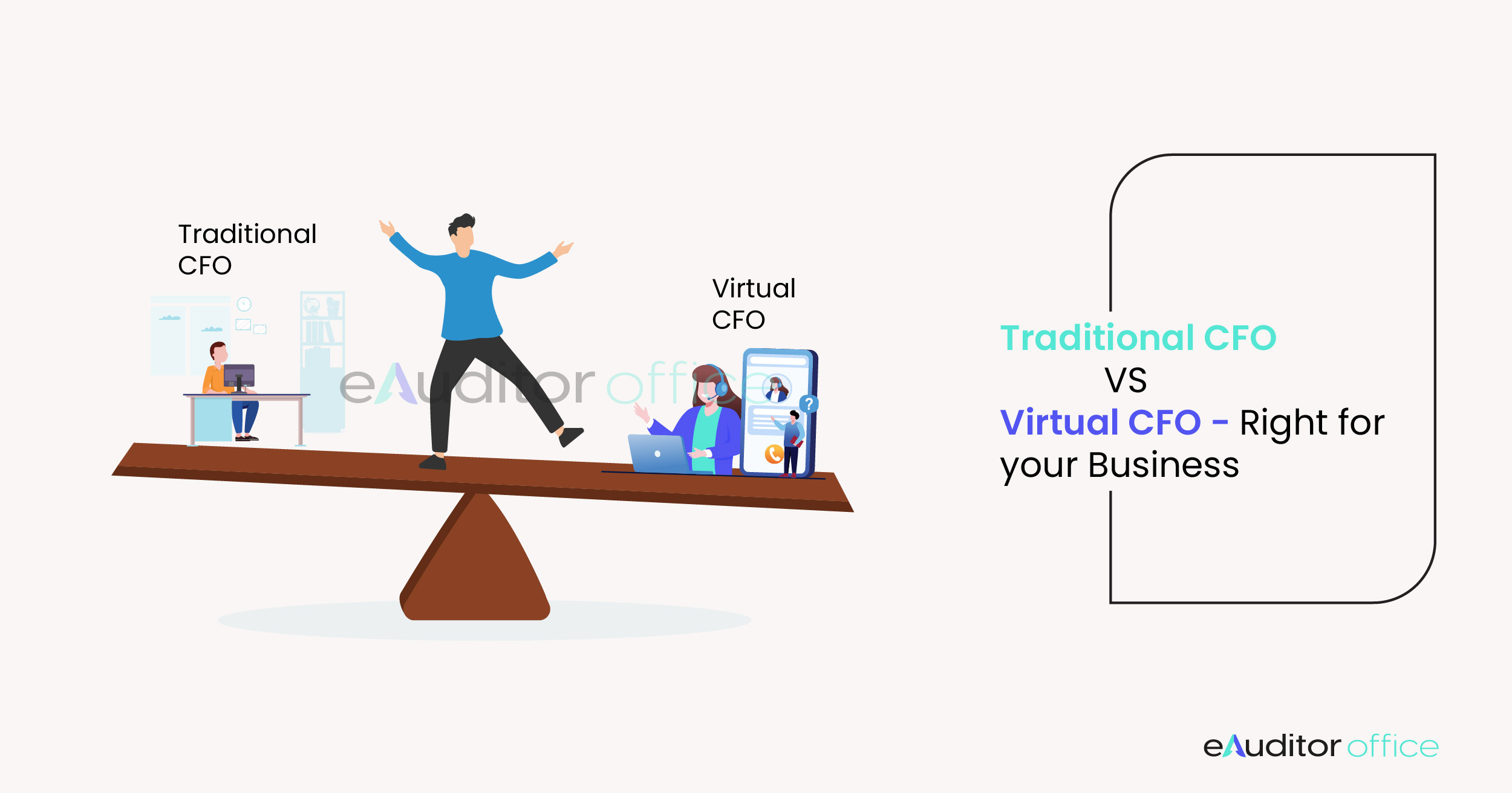
In the dynamic world of business, financial leadership is crucial. But the landscape of financial management is evolving, presenting businesses with two primary options: Virtual CFOs and Traditional CFOs. Understanding the differences between these roles and determining which is best for your business can significantly impact your company’s financial health and growth.
Table of Contents
- Introduction
- Understanding the Roles
- Traditional CFO
- Virtual CFO
- Key Differences
- Benefits of a Virtual CFO
- Benefits of a Traditional CFO
- Cost Comparison
- Decision-Making Guide
- Case Studies
- Conclusion
Introduction
As businesses grow, the need for sophisticated financial management becomes imperative. Both Virtual CFOs and Traditional CFOs offer unique advantages, but which one aligns best with your business needs? This guide will delve into the specifics, helping you make an informed decision.
Understanding the Roles
Traditional CFO
A Traditional CFO is a senior executive who works full-time within the company, overseeing all financial activities. Their responsibilities include strategic financial planning, risk management, financial reporting, and ensuring compliance with regulations.
Virtual CFO
A Virtual CFO provides the same level of expertise as a Traditional CFO but operates remotely on a part-time or contractual basis. They offer flexible financial management services, often at a fraction of the cost of a full-time CFO.
Key Differences
| Aspect | Traditional CFO | Virtual CFO |
|---|---|---|
| Employment Type | Full-time, in-house | Part-time, remote |
| Cost | Higher (salaries, benefits, etc.) | Lower (contractual fees) |
| Flexibility | Less flexible | Highly flexible |
| Accessibility | On-site, direct interaction | Remote, virtual meetings |
| Scope of Services | Comprehensive, hands-on | Specific, strategic focus |
| Scalability | Limited by full-time commitment | Easily scalable |
Benefits of a Virtual CFO
- Cost Efficiency: Hiring a Virtual CFO can be more cost-effective, saving on salaries, benefits, and overhead costs.
- Flexibility: Virtual CFOs provide flexible service plans tailored to your business needs.
- Expertise on Demand: Access top-tier financial expertise without a long-term commitment.
- Focus on Strategic Growth: They can focus on high-level financial strategies that drive growth.
Benefits of a Traditional CFO
- On-Site Presence: Having a CFO on-site ensures direct communication and immediate decision-making.
- Deep Company Integration: A full-time CFO is more likely to have a deep understanding of the company’s culture and operations.
- Comprehensive Oversight: They provide continuous oversight and management of all financial aspects.
- Long-Term Commitment: A Traditional CFO is invested in the long-term success of the company.
Cost Comparison
| Cost Component | Traditional CFO (Annual) | Virtual CFO (Annual) |
|---|---|---|
| Salary | ₹12,00,000 – ₹24,00,000 | ₹3,20,000 – ₹8,00,000 (contractual) |
| Benefits | ₹1,60,000 – ₹4,00,000 | None |
| Office Space | ₹80,000 – ₹1,60,000 | None |
| Total | ₹14,40,000 – ₹30,40,000 | ₹3,20,000 – ₹8,00,000 |
Decision-Making Guide
- Assess Your Needs: Determine whether your business requires full-time financial oversight or strategic financial guidance.
- Budget Considerations: Evaluate your budget and financial resources.
- Growth Stage: Consider the growth stage of your business. Start-ups and SMEs might benefit more from a Virtual CFO, while larger enterprises may require a Traditional CFO.
- Expertise Requirement: Identify the level of financial expertise needed for your business operations.
Case Studies
Case Study 1: Start-Up
A tech start-up with limited financial resources hired a Virtual CFO to develop a financial strategy, resulting in significant savings and better financial planning.
Case Study 2: Established Corporation
A manufacturing company with complex financial operations benefited from a Traditional CFO who provided hands-on management and oversight, ensuring regulatory compliance and strategic growth.
Conclusion
Choosing between a Virtual CFO and a Traditional CFO depends on your business’s specific needs, budget, and growth stage. Virtual CFOs offer flexibility and cost savings, making them ideal for start-ups and SMEs, while Traditional CFOs provide comprehensive, on-site management suited for larger enterprises. Carefully consider the benefits and limitations of each to make an informed decision that will drive your business’s financial success.