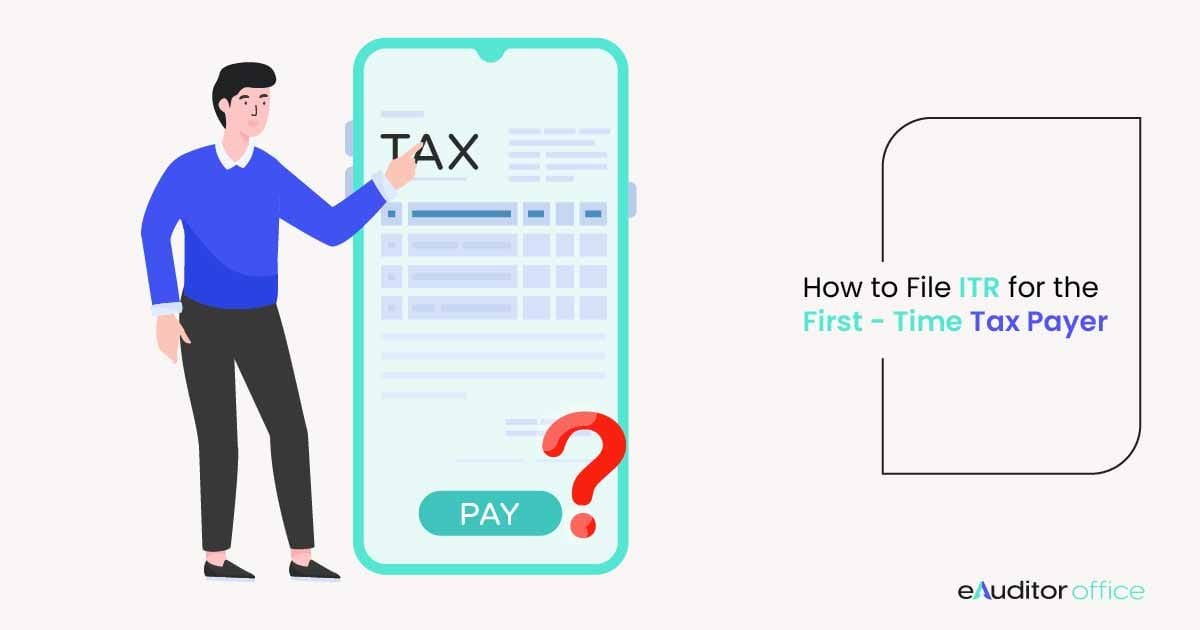
Filing income tax rturns can be a daunting task, especially if you are a first-time taxpayer. Confusion always seems to take over for the first-time return filers and proper guidance becomes the need of the hour. To begin with, the Indian government mandates all individuals whose income exceeds the basic exemption limit to file their returns. The income tax filing process can be complex and confusing, but with the right guidance, it can be made easier. In this article, we will share 9 tips for first-time taxpayers on how to file their income tax returns correctly.
Read More: 4 Tips to File Your Income Tax Returns on Your Own
9 Tips for First-Time Taxpayers Filing Income Tax Returns
Here are 9 effective tips to help you file your income tax returns as first-time taxpayers:
1.Find Out the Income Tax Slab
Before filing your income tax return, you need to know which tax slab you fall under. The Indian government has a tax slab system for individuals based on different income levels. As you go higher in the income slab, the tax rate increases consequently. Here are the tax slabs applicable to individuals up to the age of 60 year.

2.Consolidate All Your Income Sources
Ensure that you consolidate all your sources of income, including salary, business income, rental income, capital gains, and any other source of income you have received during the financial year. Other sources can include interest income, dividend income etc. This will help you to determine your total taxable income accurately. This will also give you a brief idea of the tax rate that will be applicable to you. Ensure that you add up all the sources of income to avoid any future tax demands and penal interest.
3.Know the Tax Saving Investments and Deductions
In order to boost the habit of savings and investments, the government allows tax deductions in case you invest your money in certain eligible areas of investments. It’s essential to know the tax-saving investments you have made during the financial year. These investments, such as PPF, NSC, ELSS, and life insurance, can be claimed as deductions under Section 80C of the income tax act.
Apart from investments, there are various other deductions that you can claim as per the provisions of income tax law. For instance, medical insurance premium is allowable as a deduction under section 80D. Further, interest on education loans or loans for an electric vehicle is also eligible for deduction. Donations made to charitable or religious organisations or to any political party are also eligible for deduction. To save taxes, it is important to prepare a list of all the deductions beforehand.
4.Mention Accurate Details
If you are a first-time taxpayer, you need to register yourself in the income tax portal. You need to provide basic details like your PAN, name, contact details, address etc. while registering yourself. Ensure that you provide the correct details, such as your name, PAN, and bank account details. Any mistake in the details provided can lead to issues in receiving the tax refund, if applicable.
Apply PAN Card Online (Give CTA here)
5.Fill Out the Income Tax Form Correctly
There are different income tax return forms for different types of income, such as ITR-1, ITR-2, ITR-3, and so on. The form applicable to you will depend on your source of income and your constitution i.e., whether you are an individual, partnership firm, LLP, company, trust etc. Make sure you select the correct form that is applicable to your income source and fill it out accurately. You can reach out to the eAuditor Office to know the income tax form applicable to you.
6.Keep Form-16 Handy
Form-16 is a certificate issued by an employer to its employees, which contains information about the employee’s salary, tax deductions, and other necessary details required for filing ITR. First-time taxpayers should ensure that they collect Form-16 from their employer at the end of the financial year, as it is an essential document for filing ITR.
Read More: Income Tax Filing Using Form 16
It provides you with complete details of your salary breakup which will be useful for claiming various deductions under the head ‘Salary’ of the income tax law. Further, it also ensures accurate filing of your income tax return.
7.Don’t Forget Form 26AS, AIS and TIS
Form 26AS is an annual consolidated tax statement that contains details of all the taxes paid by a taxpayer during the financial year. It also includes information on tax deducted at source (TDS), advance tax paid, and self-assessment tax paid. Apart from Form 26AS, the government also released Annual Information Statement (AIS) and Taxpayer Information Statement (TIS).
Read More: What is Form 26AS? How to View & Download form 26AS of Income Tax
This contains details of most of the financial transactions undertaken by the taxpayers during the financial year. First-time taxpayers should always remember to check Form 26AS, AIS and TIS before filing their ITR to ensure that they have disclosed all the financial transactions and that all the taxes paid have been correctly credited to their account.
8.Remember the ITR Filing Deadline
The deadline for filing ITR for individuals is usually July 31st each year unless they are in audit or if extended by the government. First-time taxpayers should keep track of the deadline and file their ITR before the due date. Not filing ITR within the due date can attract late fees and penal interest on the tax liability.
However, even if you fail to file the ITR before the due date, you can file the belated return by 31st December of the assessment year. In case, you miss the belated return deadline as well, you can go for filing the updated return. However, you will have to pay additional tax apart from the late fees and interest in case you file the updated return.
9.Maintain the Acknowledgment Receipt
After filing ITR, you need to e-verify your income tax return within 30 days. ITR can be e-verified using the Aadhaar OTP, EVC or through DSC online. Otherwise, you can print the ITR acknowledgement and send it to CPC Bengaluru.
The acknowledgment receipt contains important details like the acknowledgment number, date of filing, and other necessary details. First-time taxpayers should ensure that they maintain a copy of the acknowledgment receipt as proof of filing their ITR. However, in case you lose the acknowledgement, you can download it again from the income tax portal.
Pro-Tip For First-Time ITR Filers
Filing ITR for the first time requires careful consideration of various factors as the chances of making a mistake are high. Being regulatory compliance, it is important to ensure the timely and accurate filing of the income tax return. As the best measure, most people always hire a professional who is an expert in tax-related matters, especially when they have multiple financial transactions and find it difficult to file ITR by themselves.
Professionals not only allow you to file your returns timely and accurately but also ensure that you save a lot in terms of taxes through proper tax planning. In case you need any assistance in ITR filing, feel free to contact the eAuditor Office.