1. Introduction
Why registration matters
Why Pvt Ltd is most popular (credibility, funding, liability protection)
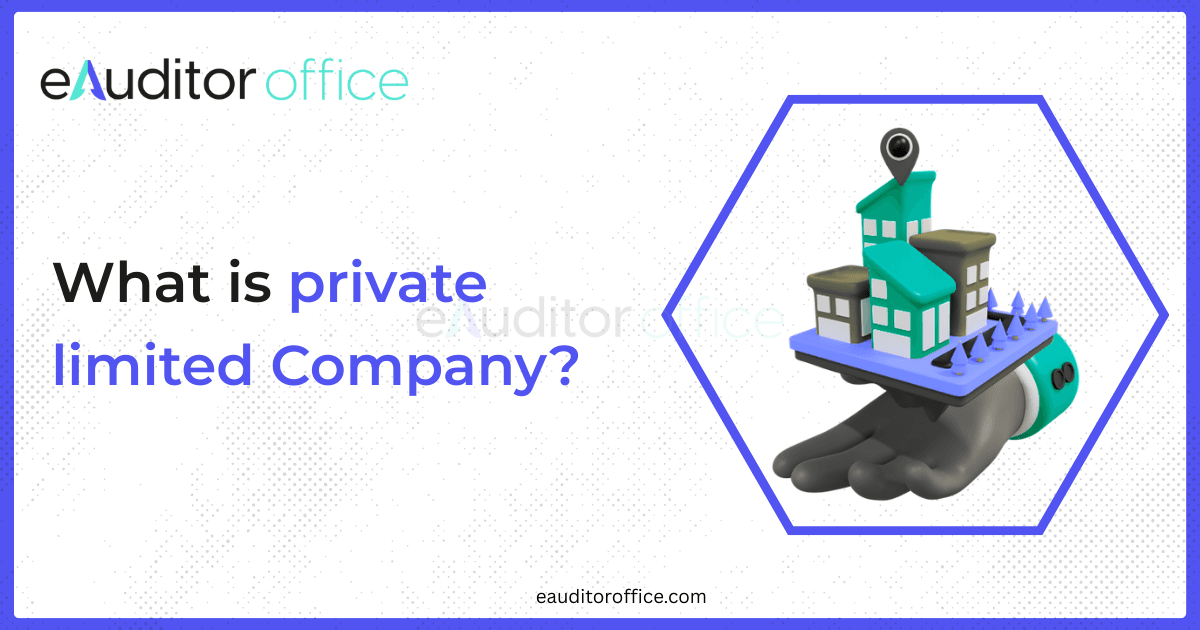
2. What is a Private Limited Company?
Definition under Companies Act, 2013
Characteristics (separate legal entity, perpetual succession, limited liability, ownership transferability)
3. Eligibility Criteria
At least one director must be an Indian resident
Unique company name approved by MCA
4. Documents Required
PAN & Aadhaar of directors
Address proof (utility bills, passport, driving license)
Registered office proof (rent agreement, NOC from owner, property tax receipt)
Digital Signature Certificate (DSC)
Director Identification Number (DIN)
5. Step-by-Step Registration Process
Obtain DSC for directors
Apply for DIN
Name approval through SPICe+ Part A
Draft MoA & AoA
File incorporation application (SPICe+ Part B) with MCA
PAN & TAN allotment
Certificate of Incorporation issued
6. Cost of Registration
Professional fees (CA/CS)
7. Advantages of a Private Limited Company
Limited liability protection
Separate legal identity
Easier fundraising from investors and banks
Tax benefits under corporate structure
Credibility with clients, vendors, and partners
8. Disadvantages / Limitations
Higher compliance cost compared to LLP/Proprietorship
Mandatory audits irrespective of turnover
ROC filings compulsory every year
9. Post-Incorporation Compliances
First board meeting within 30 days
Appointment of statutory auditor
Filing of annual returns (MGT-7) and financial statements (AOC-4)
Income tax return filing
Other statutory filings (GST, TDS, PF/ESI depending on applicability)
10. Pvt Ltd vs LLP vs OPC vs Sole Proprietorship (Comparison Table)
| Parameter | Private Limited | LLP | OPC | Proprietorship |
|---|---|---|---|---|
| Legal Status | Separate entity | Separate entity | Separate entity | Not separate |
| Liability | Limited | Limited | Limited | Unlimited |
| Minimum Members | ||||
| Fundraising | High | Limited | Medium | Very Low |
| Compliance | High | Moderate | Moderate | Minimal |
11. Why Startups Prefer Pvt Ltd Structure
Essential for angel/VC funding
Eligible for Startup India recognition
ESOP issuance possible
Professional image in global markets
12. Timeline for Incorporation
Digital signatures: 1–2 days
Name approval: 2–3 days
MCA incorporation approval: 3–5 days
Total time: 7–10 working days (if documents ready)
13. Practical Challenges & Solutions
Name rejection by MCA → tips for choosing unique names
Missing documents → preparing checklists in advance
Delay in DIN approval → ensuring KYC compliance
14. Latest Updates (2025)
MCA V3 portal updates
Integrated SPICe+ with PAN/TAN/GST allotment
Mandatory e-form filing timelines
15. Conclusion
Private Limited Company is the foundation for growth-oriented businesses in India.
Entrepreneurs planning for scale, investors, or global clients should choose this structure.
Call-to-Action:
“eAuditor Office has assisted hundreds of entrepreneurs in incorporating their companies smoothly. Contact us today for professional assistance with your Pvt Ltd registration.”