Introduction
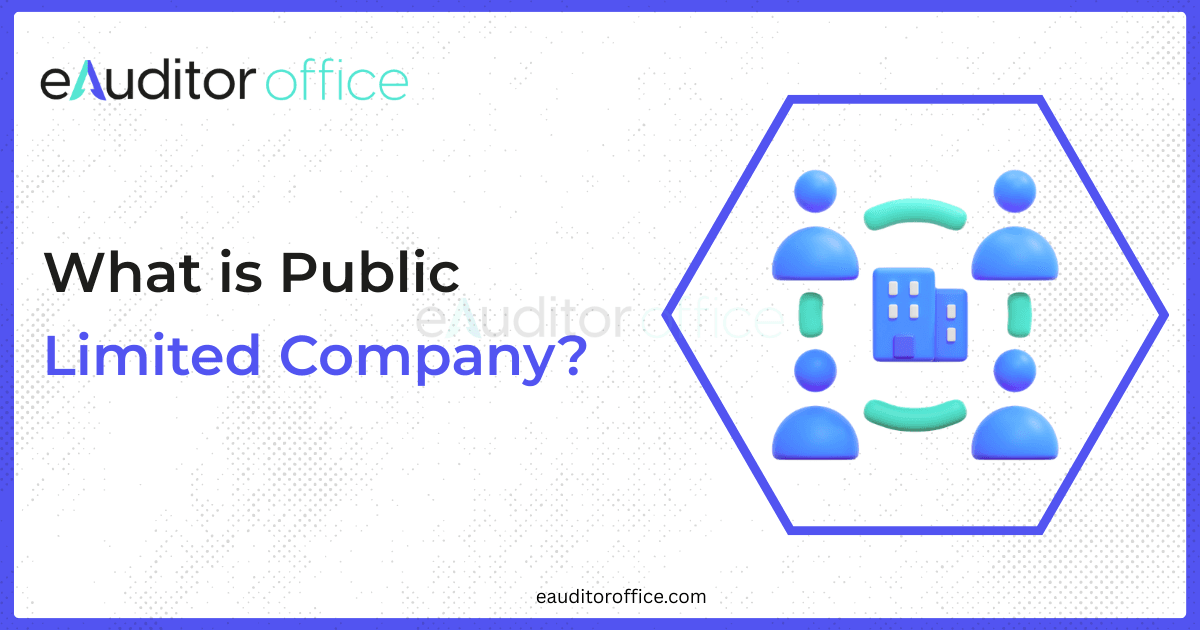
A Public Limited Company (PLC) is one of the most prestigious business structures in India. Unlike a Private Limited Company, a Public Limited Company can raise capital by offering shares to the public, making it suitable for large businesses that plan to expand significantly or eventually list on the stock exchange.
This blog covers:
What a Public Limited Company is
Key features and benefits
Eligibility criteria
Step-by-step incorporation process
Documents required
Post-registration compliance
Costs involved
What is a Public Limited Company?
A Public Limited Company is a business entity registered under the Companies Act, 2013 that allows:
Minimum 3 directors (at least one must be a resident of India)
A separate legal identity from its owners
Key Benefits of Public Limited Company
Access to Capital – Can raise funds from the public, banks, and institutions.
High Credibility – Strong market reputation compared to other structures.
Perpetual Succession – Company continues despite changes in ownership.
Eligibility for Public Limited Company Formation
Minimum Directors: 3 directors (at least 1 resident in India).
Minimum Capital: No mandatory paid-up capital requirement (as per 2015 amendment).
Name Requirement: Must end with “Limited.”
Compliance: Must comply with SEBI guidelines if listed.
Step-by-Step Public Limited Company Registration Process (2025)
Step 1: Obtain Digital Signature Certificate (DSC)
All proposed directors must have a valid DSC to file e-forms online.
Step 2: Apply for Director Identification Number (DIN)
Apply for DIN through SPICe+ form if not already allotted.
Step 3: Reserve Company Name
Apply via SPICe+ Part A to reserve a unique name ending with “Limited.”
Step 4: Draft MoA & AoA
Memorandum of Association (MoA): Defines objectives of the company.
Articles of Association (AoA): Governs internal management.
Step 5: File SPICe+ (Part B) with MCA
Attach required documents (MoA, AoA, ID proofs, address proofs, etc.).
Step 6: PAN & TAN Application
Allotted automatically with incorporation.
Step 7: Certificate of Incorporation (COI)
Issued by Registrar of Companies (ROC) after approval.
Documents Required
Passport-size photographs
Registered office proof (utility bill, rent agreement, NOC from owner)
MoA & AoA drafts
DSCs and DINs
Post-Incorporation Compliance for Public Limited Companies
Board Meetings: At least 4 every year, with maximum gap of 120 days between meetings.
Annual General Meeting (AGM): Mandatory, within 6 months of financial year-end.
Annual Filing:
-
AOC-4 (Financial Statements)
-
MGT-7 (Annual Return)
-
Appointment of Auditor (ADT-1): Within 30 days of incorporation.
Statutory Registers: Maintain records of members, directors, charges, etc.
SEBI & Listing Compliances (if listed): Disclosure, corporate governance norms, quarterly filings.
Cost & Timeline
| Item | Approximate Cost (₹) | Timeline |
|---|---|---|
| DSC & DIN | 3,000 – 8,000 | 2–3 days |
| Name Reservation | 1,000 | 1–2 days |
| ROC Filing & Govt. Fees | 5,000 – 10,000 | 10–20 days |
| Professional Fees | 20,000 – 50,000 | Varies |
| Total | 28,000 – 68,000 | 25–40 days |
Conclusion
Forming a Public Limited Company in India is a smart choice for businesses aiming to expand at scale and raise funds from the public. While the compliance requirements are higher compared to Private Limited or LLP, the credibility and funding opportunities make it worthwhile for ambitious entrepreneurs.
At eAuditor Office, we help entrepreneurs incorporate Public Limited Companies seamlessly, ensuring all legal compliances are taken care of.