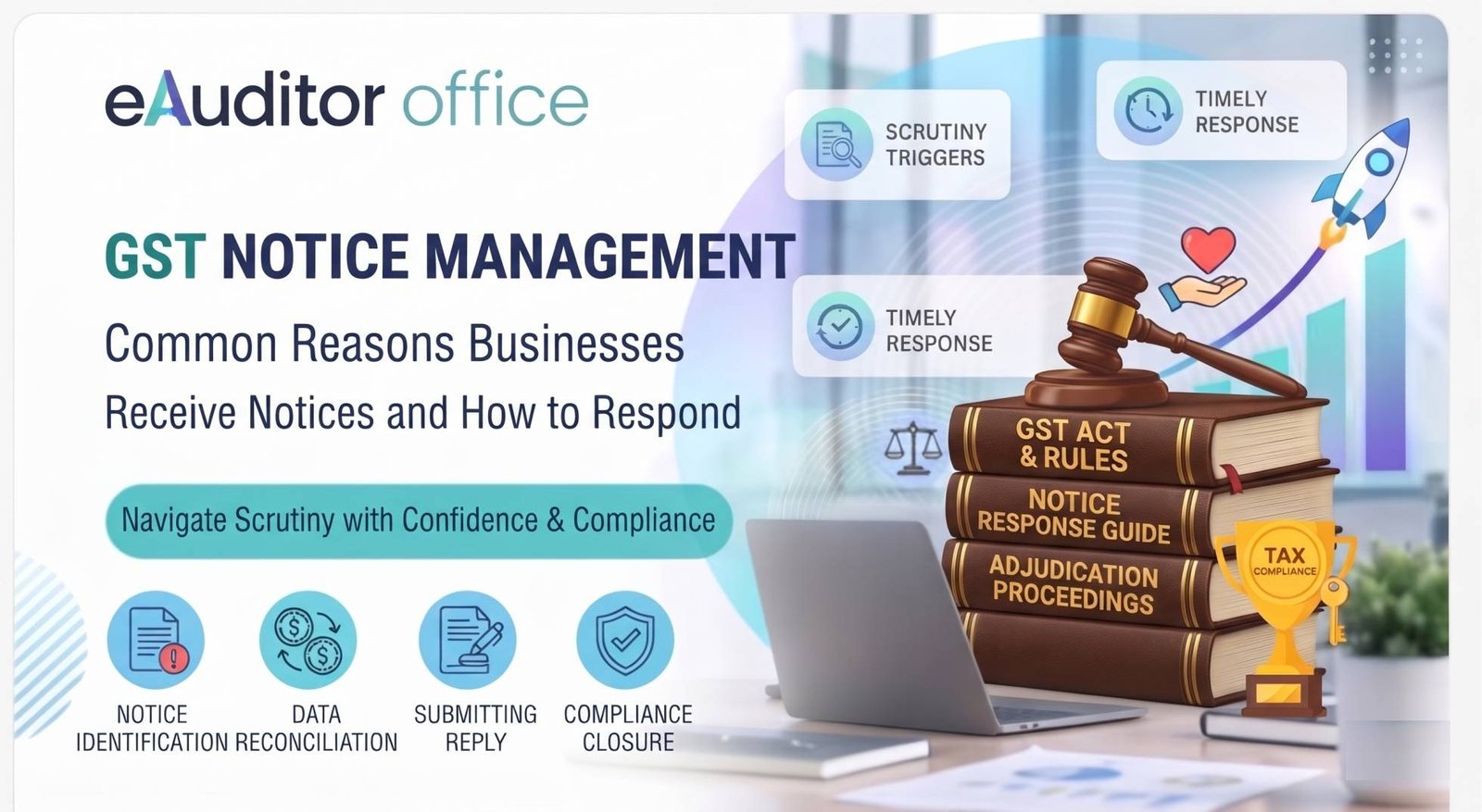
Automated data analytics on the GST Network (GSTN) cross-verify returns, e-way bills, and e-invoices in real time. Even minor clerical discrepancies can trigger a system-generated notice. Ignoring a notice or submitting an incomplete reply can escalate a routine inquiry into a heavy tax demand, bank account attachment, or registration cancellation.
Common Reasons Businesses Receive GST Notices
- ITC Mismatches (GSTR-3B vs. GSTR-2B): Claiming more Input Tax Credit in GSTR-3B than what appears in auto-populated GSTR-2B due to non-compliant vendors or clerical errors is the single largest trigger for scrutiny notices. Reviewing our complete guide to GST filing helps align return workflows before mismatches accumulate.
- Turnover Discrepancies (GSTR-1 vs. GSTR-3B): Reporting higher outward supplies in GSTR-1 than the tax liability declared in GSTR-3B signals potential tax underpayment.
- E-Way Bill vs. Return Mismatches: Generating e-way bills for goods movement without reporting corresponding invoices in GSTR-1 flags unbilled sales.
- Delayed or Non-Filing of Returns: Missing GSTR-1 or GSTR-3B deadlines automatically generates a notice to defaulters—consistent GST return filing services prevent automated default notices.
- Excessive or Ineligible Refund Claims: Filing high-value inverted duty structure or export refund claims without matching documentation or a valid Letter of Undertaking (LUT) under GST prompts verification notices.
Key GST Notice Forms You Should Know
- GSTR-3A: Default notice issued to non-filers of returns.
- ASMT-10: Scrutiny notice highlighting discrepancies found during return verification.
- REG-17: Show Cause Notice proposing cancellation of GST registration (learn how to respond or handle a resulting cancellation in our guide on GST cancellation vs GST revocation).
- DRC-01: Show Cause Notice issued for tax shortfall, wrongful ITC utilization, or fraud under Sections 73, 74, or 74A.
Structured Framework to Respond to a GST Notice
- Verify Authenticity: Log in to the GST portal (Services > User Services > View Notices and Orders) and verify the Document Identification Number (DIN) to ensure the notice is genuine.
- Identify the Section and Deadline: Note the exact statutory provision invoked and the due date for reply (e.g., 7 working days for REG-17, typically 30 days for ASMT-10 or DRC-01).
- Reconcile Data Thoroughly: Prepare an invoice-level reconciliation statement comparing your purchase register, sales ledger, GSTR-2B, GSTR-1, and GSTR-3B—a practice also essential during GSTR-9 and GSTR-9C reconciliation.
- Discharge Undisputed Dues (If Applicable): If you identify a genuine calculation error, pay the differential tax and interest voluntarily via Form GST DRC-03 before submitting your reply to minimize penalties.
- Draft a Point-by-Point Reply: Address every allegation clearly with legal backing, attach reconciled spreadsheets, vendor certificates, and tax payment challans, and submit via the GST portal.
FAQs:
Yes. If the assessing officer is satisfied with your reconciliation and supporting documents, they issue a closure order (such as ASMT-12 for scrutiny notices) dropping the proceedings.
If you fail to respond within the stipulated time, the officer can pass an ex-parte assessment or demand order based solely on departmental records, adding interest and penalties. You may request an adjournment on the portal before the deadline expires if you need more time to gather records.
Under Section 169 of the CGST Act, making a notice available on the common GST portal and sending alerts to your registered email address constitute valid legal service. Businesses should check the portal dashboard weekly rather than relying solely on physical mail.