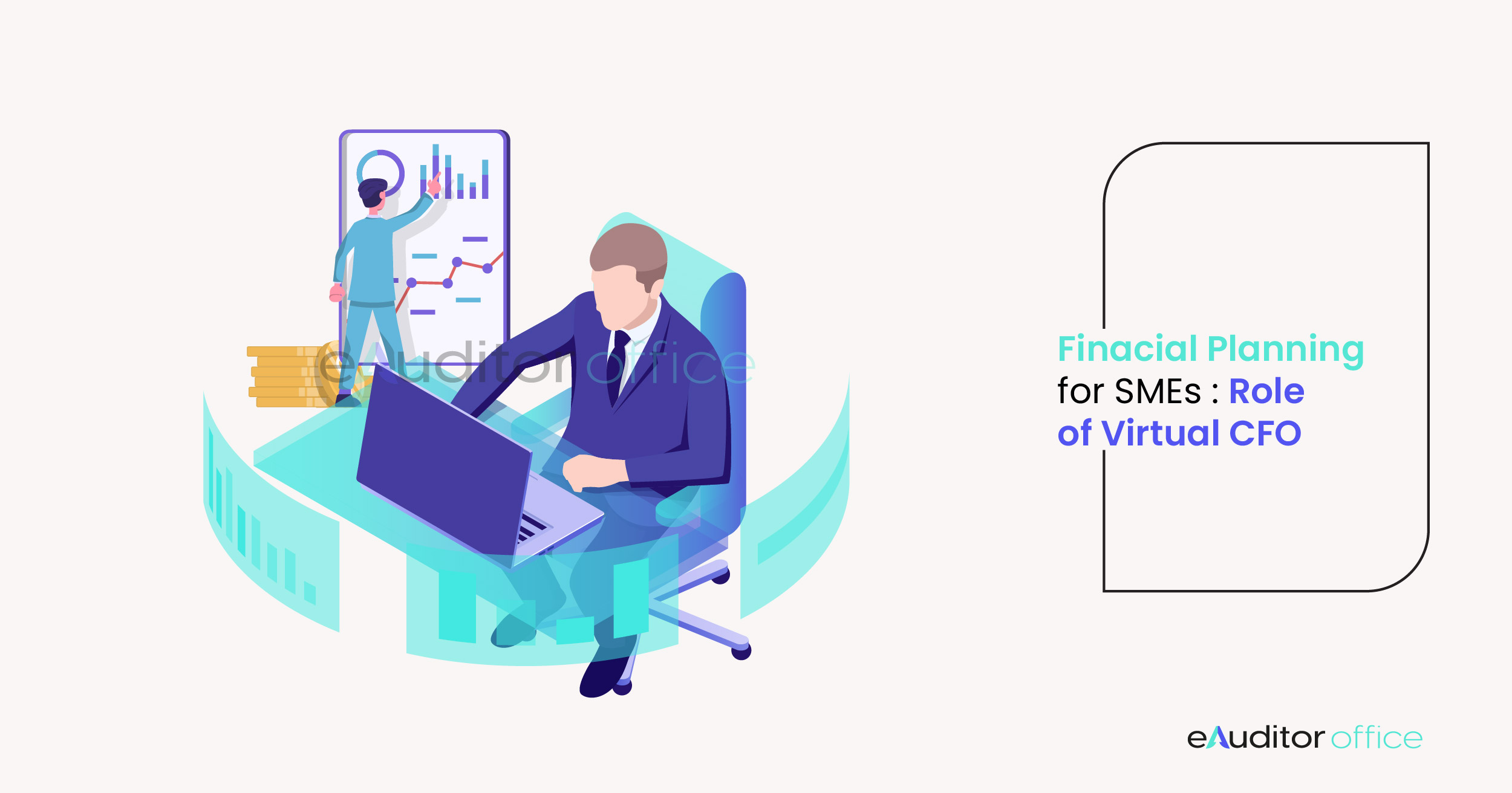
Small and Medium Enterprises (SMEs) are the backbone of the global economy. However, navigating the financial complexities of running a business can be daunting for SME owners. That’s where a Virtual Chief Financial Officer (CFO) comes in. This blog delves into the crucial role a Virtual CFO plays in financial planning for SMEs, helping them thrive in today’s competitive market.
Introduction
Financial planning is the lifeblood of any business, regardless of size. For SMEs, effective financial management can be the difference between success and failure. However, many SMEs lack the resources to hire a full-time CFO. Enter the Virtual CFO – a cost-effective solution that provides expert financial guidance without the overhead of a full-time executive.
What is a Virtual CFO?
A Virtual CFO is a finance professional who provides CFO services on a part-time, remote basis. They offer strategic financial insights, help with budgeting and forecasting, manage cash flow, and ensure the business remains compliant with financial regulations. Virtual CFOs bring a wealth of experience to the table, often having worked in various industries and business sizes.
Why SMEs Need a Virtual CFO
1. Expertise and Experience
Virtual CFOs bring a high level of expertise and experience that many SMEs can’t afford to hire in-house. They have a deep understanding of financial management, tax laws, and business strategy. This knowledge can be invaluable in guiding SMEs through financial challenges and opportunities.
2. Cost-Effective
Hiring a full-time CFO can be prohibitively expensive for SMEs. Virtual CFOs provide the same level of expertise at a fraction of the cost. This arrangement allows SMEs to access high-quality financial advice without the burden of a full-time salary.
3. Flexibility
Virtual CFOs offer flexible services tailored to the needs of the business. Whether it’s a few hours a week or a more intensive engagement during critical periods, SMEs can scale the Virtual CFO’s involvement according to their needs.
4. Strategic Financial Planning
A Virtual CFO helps SMEs develop and implement strategic financial plans. This includes budgeting, forecasting, and financial analysis. With a clear financial plan, SMEs can make informed decisions, manage risks, and seize growth opportunities.
Key Responsibilities of a Virtual CFO
1. Financial Planning and Analysis
A Virtual CFO provides comprehensive financial planning and analysis. They help SMEs create detailed budgets, set financial goals, and develop strategies to achieve them. By analyzing financial data, they can identify trends, strengths, and weaknesses, enabling better decision-making.
2. Cash Flow Management
Effective cash flow management is critical for SMEs. A Virtual CFO monitors cash flow, ensures timely invoicing and collections, and manages expenses. This proactive approach helps prevent cash flow problems that can cripple a business.
3. Risk Management
Risk is an inherent part of any business. A Virtual CFO identifies financial risks and develops strategies to mitigate them. This includes managing debt, ensuring adequate insurance coverage, and preparing for economic downturns.
4. Compliance and Tax Planning
Staying compliant with financial regulations is crucial for SMEs. A Virtual CFO ensures that the business meets all regulatory requirements and deadlines. They also provide tax planning services, helping SMEs minimize their tax liabilities and avoid penalties.
5. Strategic Advice
Beyond day-to-day financial management, a Virtual CFO offers strategic advice to help SMEs grow. This includes identifying new business opportunities, optimizing pricing strategies, and advising on mergers and acquisitions.
Benefits of Hiring a Virtual CFO for SMEs
1. Improved Financial Performance
With a Virtual CFO’s expertise, SMEs can improve their financial performance. Better budgeting, forecasting, and financial analysis lead to more informed decisions and better financial health.
2. Enhanced Decision-Making
A Virtual CFO provides the financial insights needed for effective decision-making. SME owners can make strategic decisions based on accurate financial data, leading to better outcomes.
3. Focus on Core Business Activities
By outsourcing financial management to a Virtual CFO, SME owners can focus on what they do best – running and growing their business. This leads to increased productivity and business growth.
4. Scalability
As the business grows, so do its financial needs. A Virtual CFO can scale their services to match the business’s growth, providing the necessary financial support at every stage.
5. Peace of Mind
Knowing that an experienced financial professional is managing the business’s finances gives SME owners peace of mind. They can rest assured that their finances are in good hands, allowing them to focus on other aspects of their business.
How to Choose the Right Virtual CFO
1. Relevant Experience
Look for a Virtual CFO with experience in your industry. They should understand the unique financial challenges and opportunities of your sector.
2. Strong References
Check the Virtual CFO’s references and testimonials. Speak to their previous clients to understand their strengths and areas for improvement.
3. Clear Communication
Effective communication is key to a successful relationship with your Virtual CFO. Ensure they can explain complex financial concepts in a way that you understand.
4. Technical Skills
A good Virtual CFO should be proficient with the latest financial software and tools. This includes accounting software, financial modeling tools, and data analysis platforms.
5. Cultural Fit
The Virtual CFO should fit well with your company’s culture and values. They should be able to work effectively with your team and align with your business goals.
Case Study: How a Virtual CFO Transformed an SME
To illustrate the impact a Virtual CFO can have, let’s look at a real-life case study. XYZ Company, a small manufacturing firm, was struggling with cash flow issues and stagnant growth. They hired a Virtual CFO who implemented a comprehensive financial plan, optimized their pricing strategy, and improved their cash flow management. Within a year, XYZ Company saw a 20% increase in revenue and a significant improvement in cash flow. The Virtual CFO’s strategic advice also helped them identify new market opportunities, leading to sustained growth.
Conclusion
In today’s competitive business environment, SMEs need expert financial guidance to thrive. A Virtual CFO provides the expertise, strategic advice, and financial management needed to navigate financial challenges and seize growth opportunities. By hiring a Virtual CFO, SMEs can improve their financial performance, make better decisions, and focus on growing their business.
At eAuditor Office, we specialize in providing top-notch Virtual CFO services tailored to your business’s unique needs. Our team of experienced financial professionals is here to help you achieve your business goals. Contact us today to learn more about how we can support your business’s financial success.