
Post-Incorporation RBI/FEMA Filings A Foreign Subsidiary Must Not Miss
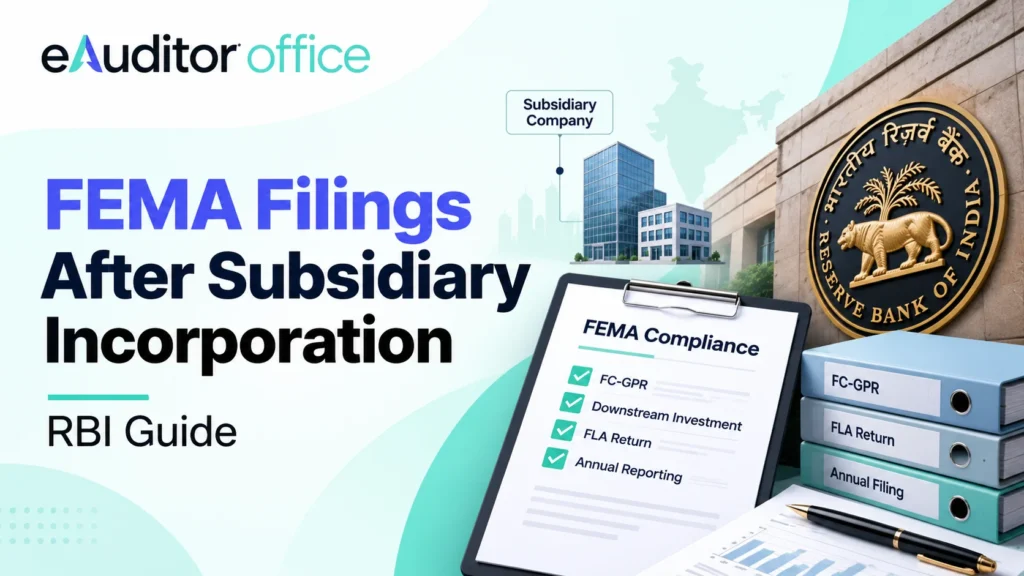
FEMA filings after subsidiary incorporation commonly include FC-GPR for fresh equity issues and the annual Foreign Liabilities and Assets return where applicable. Share transfers, downstream investments and overseas borrowing can create additional reporting obligations. The challenge is keeping track of the event that starts each deadline. Incorporation, receipt of money, issue of shares and transfer […]
Step-By-Step Guide To Form 15CA Filing Online, Now Form 145
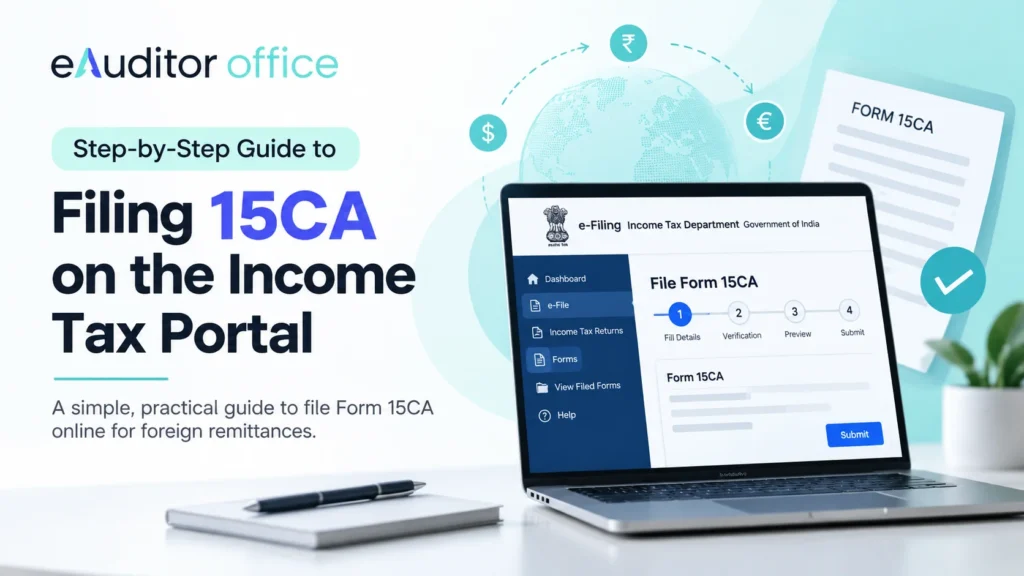
If you are searching for Form 15CA filing online, note one major change. For remittances made on or after 1 April 2026, Form 15CA has been replaced by Form 145 under the Income Tax Act, 2025. Form 15CB has similarly become Form 146. Both concern specified payments to a non-resident or foreign company. This guide […]
Due Diligence Checklist Before An M&A Valuation Engagement

An M&A valuation is only as reliable as the information behind it. If the cap table is outdated, forecasts are unsupported or liabilities are missing, a technically correct model can still produce the wrong answer. A practical due diligence checklist M&A teams can use should cover the valuation purpose, ownership, financial quality, forecasts, debt, tax, […]
Valuation For Share Swap Mergers: Special Considerations

A share swap can make a merger look cash-light, but it does not make the deal simple. Instead of paying cash, the acquiring company issues shares to the target’s shareholders. The central question is: how many should they receive? That answer comes from the share exchange ratio. A weak ratio can dilute one shareholder group, […]
Common FEMA Compounding Cases And How To Avoid RBI Penalties
Foreign investment involves connected steps such as receiving funds, checking the entry route, issuing shares, obtaining a valuation and filing RBI forms. A missed deadline or pricing error can create a contravention under the Foreign Exchange Management Act, 1999. Compounding lets a person or company voluntarily admit an eligible FEMA contravention and seek resolution by […]
Annual Return On Foreign Liabilities And Assets: Who Must File And When
An Indian business that has foreign investment or has invested outside India may have an annual RBI reporting duty even when no fresh transaction took place during the year. That duty is the Annual Return on Foreign Liabilities and Assets, commonly called the FLA Return. The return records foreign liabilities and assets as at the […]
Downstream Investment And Indirect Foreign Investment: FEMA Reporting Obligations

Foreign investment does not always reach an Indian business directly from an overseas investor. In many group structures, a foreign investor first invests in an Indian holding company or subsidiary, which then invests in another Indian entity. That second transaction may be downstream investment and, depending on the ownership and control of the investing entity, […]
FC-GPR Filing Deadline And Penalties For Late Filing
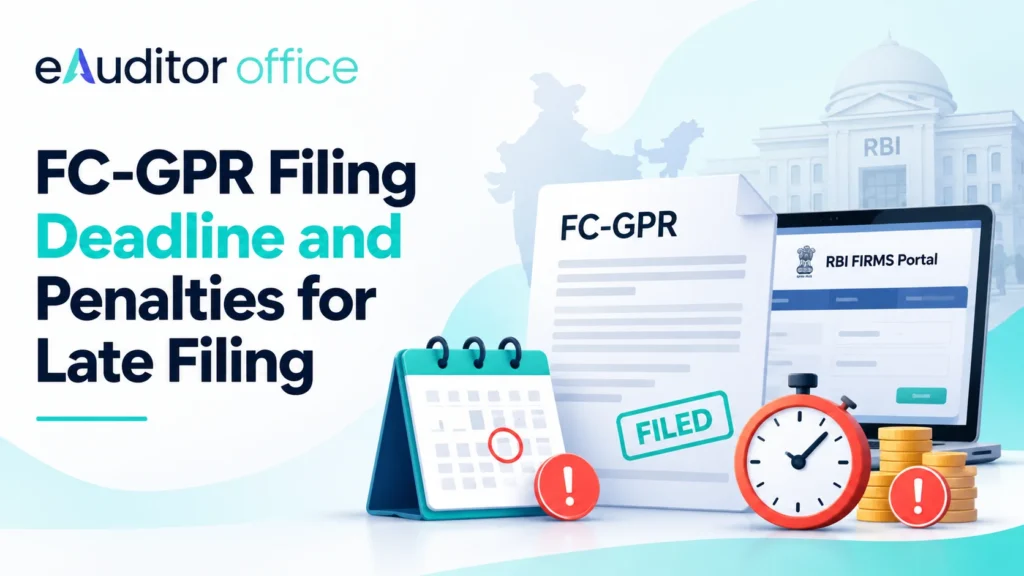
After receiving foreign investment and allotting shares, an Indian company must report the issue to the Reserve Bank of India (RBI) in Form FC-GPR. Missing this step can lead to a late submission fee and, in unresolved cases, action under the Foreign Exchange Management Act, 1999 (FEMA). The most important rule is simple: Form FC-GPR […]
FC-GPR Filing Process: Step-By-Step Guide To The FIRMS Portal
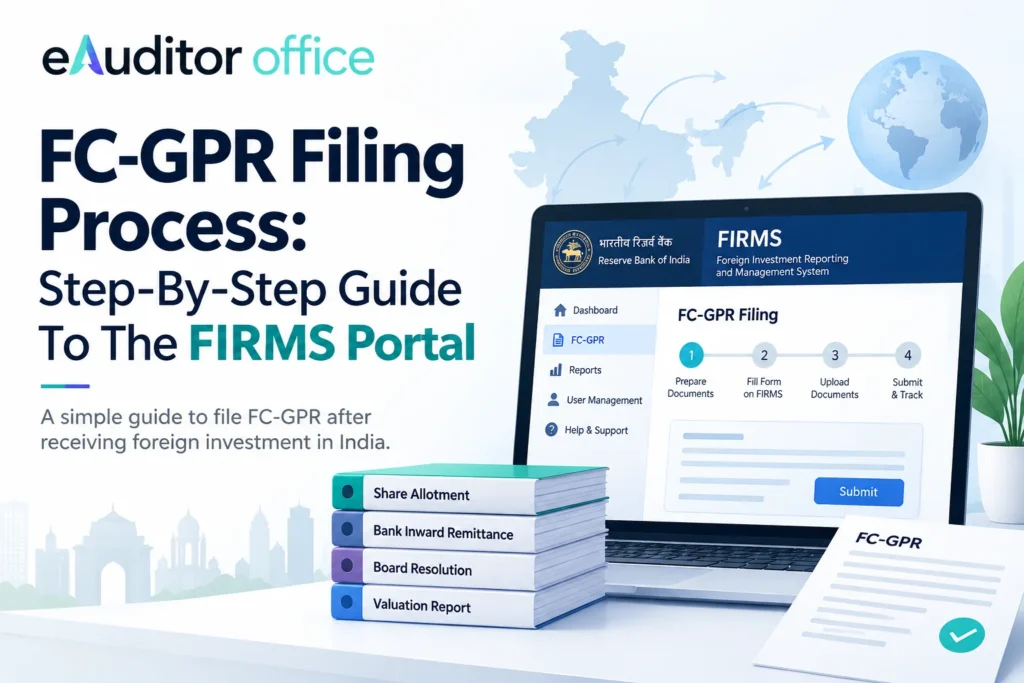
When an Indian company issues equity instruments to a person resident outside India, it must report the issue through Form FC-GPR on the Reserve Bank of India’s FIRMS portal. The filing can be returned when the Entity Master, investor details, valuation documents or shareholding pattern do not match. This guide explains the FC-GPR filing process […]
Automatic Route vs Approval Route FDI: Full Comparison With Examples
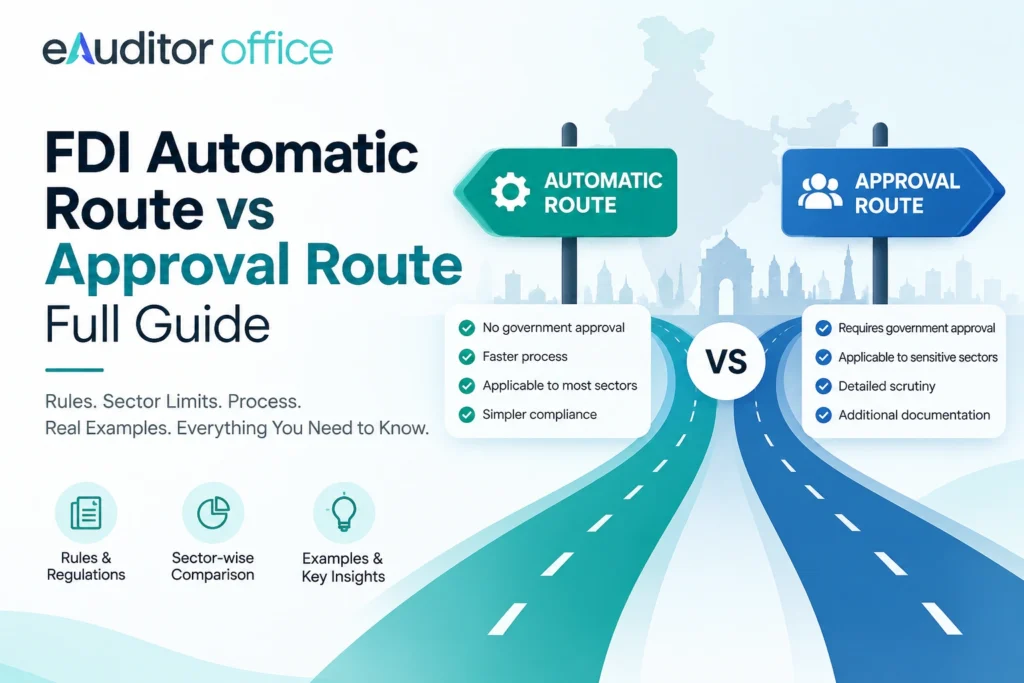
Foreign investors planning to enter India often come across two terms: the automatic route and the approval route. These routes determine whether an investor can proceed without prior government permission or must obtain approval before bringing foreign investment into the country. The difference affects the incorporation structure, investment timeline, documentation and compliance process. Choosing the […]